Why Pests Love Your Aircon
You already know that Singapore’s humid climate makes our homes a magnet for insects. What often catches homeowners off guard is just how quickly these pests turn expensive cooling systems into their personal breeding grounds. The condensation, darkness, and warmth inside your unit create a perfect storm for unwanted guests.
Since founding Billy Aircon back in 2003 with just five people, our team of 26 has seen exactly how much damage these hidden infestations cause. From what I have witnessed on the job, a single lizard or a hidden ant colony is the dividing line between a minor nuisance and a massive repair bill.
It is not just about the gross factor.
These pests actively destroy circuit boards and spread harmful allergens through your breathable air.
Let’s look at the data behind these common pest invasions, examine how they are getting inside, and explore exactly how to protect your aircon from pests in Singapore. I am going to break down the specific risks for each pest type and then walk through the exact protective measures our team uses daily.
Common Pests Found in Aircon Units
Cockroaches
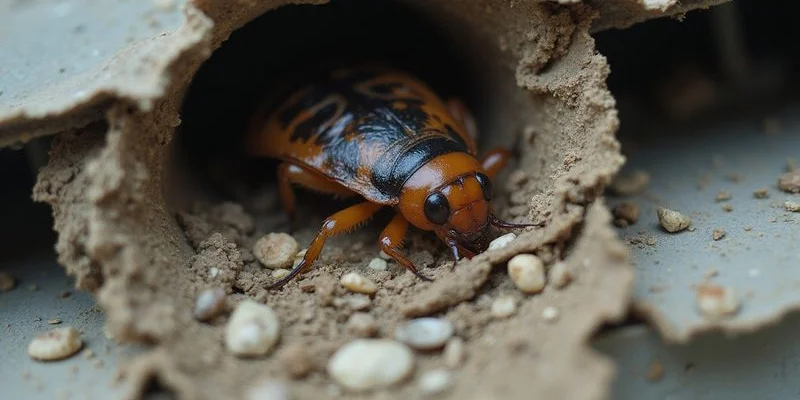
Cockroaches are by far the most common pest found inside aircon units across Singapore. They usually enter through the drain pipe that leads from the indoor unit to the outside of your HDB flat or condo. The moist, dark drainage tray provides an ideal nesting spot for them to multiply rapidly.
A 2022 study by the National Environment Agency (NEA) highlighted that up to 30% of urban households deal with ongoing pest issues. Cockroaches inside your aircon are a major part of this problem. When these insects breach your system, they create several costly headaches:
- Blocked drainage systems leading to immediate water leaking.
- Foul smells spreading through the room when they die inside the unit.
- Severe short circuits if they crawl onto the sensitive Printed Circuit Board (PCB).
- High repair bills, as replacing a damaged residential PCB in Singapore typically costs between $350 and $900 today.
Ants
Ant colonies frequently build their homes right behind the front panel of indoor units. Species like Crazy Ants and Red Fire Ants are naturally drawn to the electromagnetic fields and warm electrical components inside the system. They seek out these tight, warm spaces to regulate their body temperature and protect their growing colonies.
When ants infiltrate your unit, they often bridge the contacts on the wire terminals, which electrocutes them and releases alarm pheromones that attract even more of the colony. The resulting accumulation of dead ants and organic debris creates a highly conductive path, which is a leading cause of frequent circuit breaker tripping in HDB flats. If an ant infestation destroys your AC circuit board, you are looking at an unnecessary and expensive replacement.
Lizards (Geckos)
Common house geckos easily slip into the outdoor condenser unit by squeezing through the standard ventilation gaps. They use the warmth of the machinery as a hunting ground to catch other insects. Unfortunately, these reptiles frequently wander too close to the moving parts or sensitive electronics.
A lizard caught inside the system can cause sudden, loud buzzing noises and extreme vibration. Dead lizards often jam the fan motor or stick directly to the circuit board, triggering an immediate electrical short. Fixing a blown capacitor or replacing a jammed fan motor due to a reptile strike will usually cost you between $150 and $250.
Rats and Mice
Rodents are less common but far more destructive when they decide to nest in your cooling equipment. They often chew entirely through the thick aircon wiring and copper pipe insulation. This gnawing behaviour leads to complete system breakdowns and creates a severe fire hazard.
This type of damage is a significant risk for outdoor units positioned at ground level. Properties in older HDB estates or landed houses surrounded by heavy vegetation are especially vulnerable to rodent attacks.
How Pests Enter Your Aircon
Through the Drain Pipe
The condensate drain pipe acts as a direct highway for insects. It runs from the indoor unit to an external drain area. If the end is left completely open without a proper seal, pests can crawl straight up the pipe and into the indoor fan coil.
Many HDB installations feature drain pipes that terminate right at an open bathroom floor trap. This setup makes it incredibly easy for drain flies and cockroaches to migrate upwards.
Through Gaps Around Piping
Contractors drill a hole through your wall to connect the indoor and outdoor refrigerant pipes. They usually seal this penetration with putty or foam during the initial installation. Over time, this sealant shrinks, cracks, and degrades due to Singapore’s fluctuating humidity and temperature.
These degraded seals create perfect entry gaps for determined cockroaches and ants. To stop this, you must inspect the wall hole regularly and reseal it at the first sign of cracking.
Through the Outdoor Unit
Manufacturers design outdoor units with wide ventilation openings to ensure proper airflow and heat dissipation. While these metal grilles stop large animals, smaller pests like lizards and wasps pass through with zero resistance.
The outdoor unit does not directly circulate air into your bedroom. However, pests nesting outside can still cause catastrophic electrical failures that shut down the entire system.
How to Protect Your Aircon from Pests in Singapore
1. Install a Drain Pipe Cover or Trap
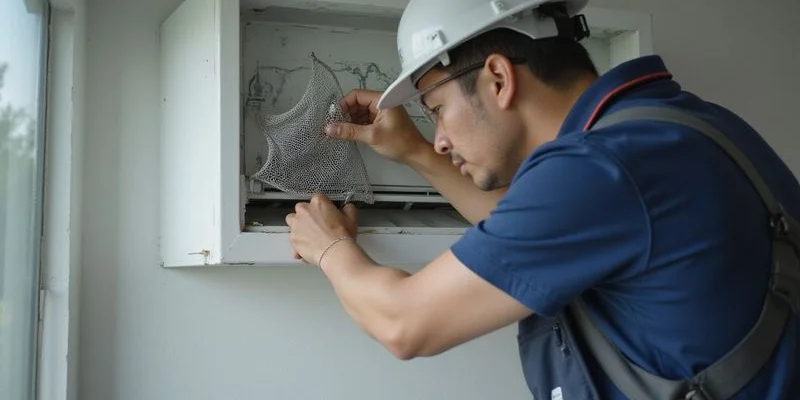
The single most effective preventative measure is fitting a simple mesh cover or a PVC water trap on the exposed end of the drain pipe. A water trap creates a constant U-bend filled with water that physically blocks insects from climbing up. A fine mesh cover allows the condensation to drip out while acting as a solid barrier against intruders.
We regularly install these protective fittings during a standard servicing visit. These small additions cost very little but offer massive protection against future infestations.
2. Seal Wall Penetrations Correctly
You must inspect the exact spot where the copper pipes pass through your concrete wall. If you spot any visible daylight or gaps, you need to seal them immediately. Use a high-quality, non-hardening putty like SELLEYs gap filler or a flexible silicone sealant.
Do not use rigid expanding foam for this task. Hard foam can restrict the natural movement of the pipes during thermal expansion, which often leads to cracked copper and severe gas leaks later on.
3. Keep the Surrounding Area Clean
Insects are naturally attracted to lingering food residue and household clutter. You must keep the floor and wall space around your indoor unit spotless. Wipe down the surfaces weekly to remove any dust or sweet residues that might attract scouting ants.
If you are installing a new system in the kitchen, never place the blower unit directly above your main food preparation counters. The rising heat and cooking oils create a sticky residue on the filters that roaches find irresistible.
4. Commit to Regular Professional Servicing
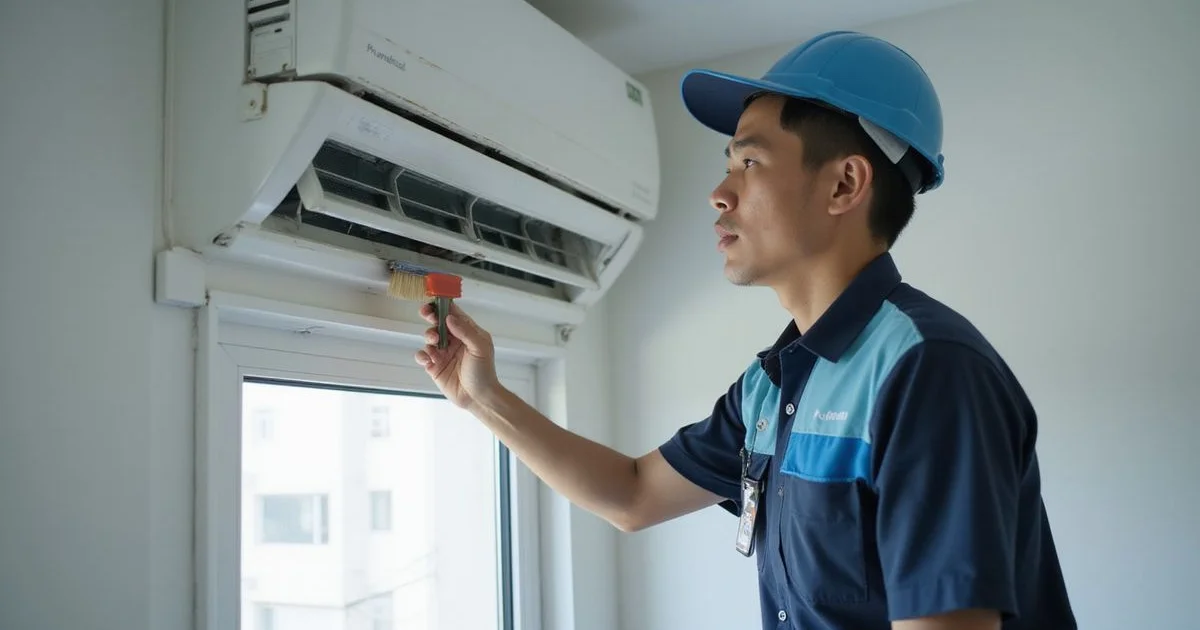
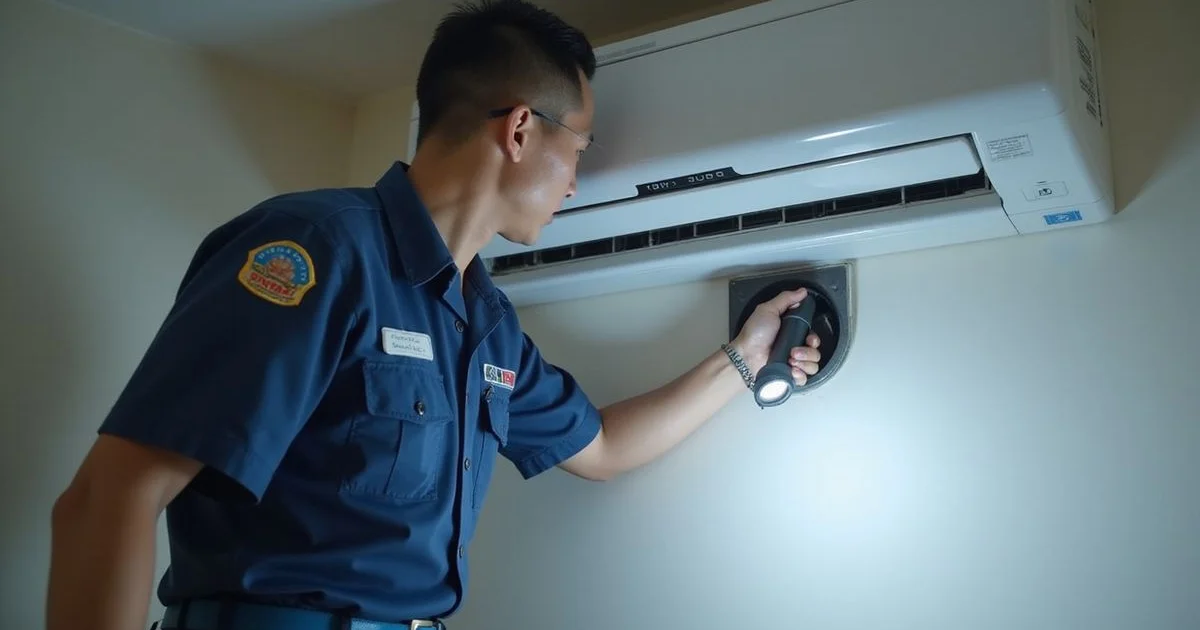
Consistent maintenance is your best defence against deep-rooted colonies. During a standard aircon servicing session, our technicians actively hunt for early warning signs of pest activity. Spotting a few stray ant trails early prevents a massive colony from taking over your circuit board.
We clear out accumulated organic debris before it becomes a food source. This routine cleaning makes the internal environment far less hospitable to wandering insects.
5. Pest-Proof the Outdoor Condenser
If you live in a landed property with a ground-level condenser, you should install a sturdy wire mesh guard around the entire casing. This physical barrier stops rats and larger reptiles from chewing on the exposed insulation.
You also need to trim back any garden vegetation or potted plants. Keep all leaves and branches at least 30 centimetres away from all sides of the machine to eliminate convenient hiding spots.
What to Do If Pests Are Already Inside
Do Not Spray Insecticide Into the Aircon
Grabbing a can of bug spray is a common mistake that causes severe secondary problems. Spraying harsh chemical insecticides directly into your delicate cooling equipment is dangerous. This panicked reaction creates several immediate hazards:
- It contaminates the air you breathe the moment you switch the unit back on.
- The liquid chemicals can instantly short out the internal electrical components.
- The spray leaves a sticky residue on the evaporator coil that mixes poorly with normal condensation.
- It kills the pests deep inside the inaccessible machinery where they rot and create unbearable odours.
Turn Off the Unit Immediately
You must switch off the system directly at the main isolator switch the moment you suspect an infestation. Cutting the power stops the spinning fan blades from grinding up the insects. This quick action prevents the system from blowing pest debris and toxic droppings all over your bedroom.
Call a Professional for a Deep Clean
Removing established nests requires careful dismantling of the plastic casing and internal drip trays. At Billy Aircon, our team frequently combines pest extraction with a full chemical wash to completely sanitise the contaminated parts. A standard chemical wash in Singapore currently ranges from $70 to $150 per unit, depending on the severity of the blockage.
This deep cleaning solution kills any remaining bacteria left by the insects. It forcefully flushes out the hidden droppings and completely neutralizes the foul decomposition odours.
Address the Original Entry Point
Once the machine is clean, the job is only half finished. Our technicians will trace the infestation back to its source to find out exactly how the bugs got inside. We then seal up that specific entry point permanently.
Skipping this final step guarantees that a new batch of pests will move in next week.
Health Risks from Pests in Your Aircon
Ignoring a pest problem inside your cooling system poses severe health risks to your family. The National Environment Agency (NEA) and the Ministry of Health consistently warn about the dangers of indoor allergens. The dark, moist environment of an aircon unit turns these pests into a highly efficient airborne hazard.
When insects nest in the blower, the fast-moving air spreads their hazardous byproducts into every corner of your room. This constant exposure creates immediate respiratory dangers:
- Cockroach droppings and saliva contain potent proteins that are proven to trigger severe asthma attacks, particularly in young children.
- Dead and rotting pests release harmful pathogens like Salmonella and E. coli directly into your breathable airflow.
- Decaying ant nests create a layer of organic sludge that rapidly promotes toxic mould growth across the cooling fins.
- Pest urine and faecal matter heavily contaminate the condensation tray, leading to stagnant, bacteria-filled water.
For households with elderly residents or anyone managing an existing respiratory condition, you must treat a contaminated unit as an urgent medical hazard.
Pest Prevention Schedule for Singapore
| Action | Frequency | DIY or Professional |
|---|---|---|
| Check drain pipe cover | Monthly | DIY |
| Inspect wall penetrations | Every 3 months | DIY |
| Clean area around indoor unit | Weekly | DIY |
| Professional servicing with pest check | Every 3 months | Professional |
| Chemical wash (sanitise if needed) | Every 6-12 months | Professional |
Billy Aircon Pest Protection Service
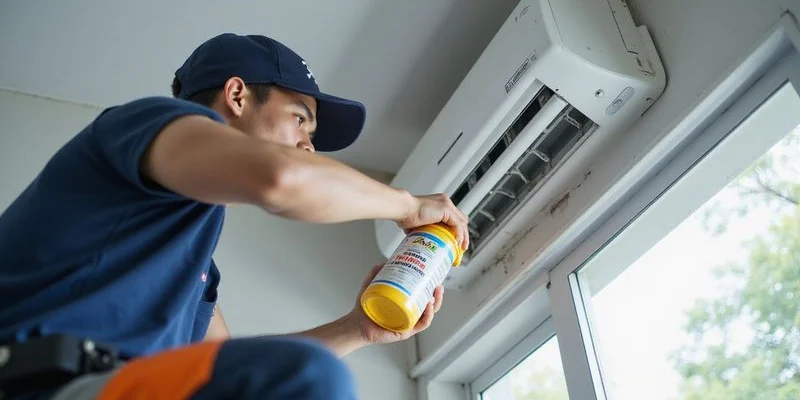
We offer a highly specialised pest protection service as a core part of our standard maintenance packages. This comprehensive approach is designed specifically for Singapore’s tough urban environment. Our goal is to secure your equipment before the bugs even find it.
This protective service package includes:
- A detailed inspection of all hidden pest entry points and wall gaps.
- The secure installation of PVC drain pipe traps or fine mesh covers.
- The professional sealing of all degraded wall penetrations using non-hardening putty.
- A deep chemical wash to fully sanitise units that have already been compromised.
- A scheduled follow-up check two weeks after the initial treatment.
All our protective services come backed by a solid 90-day warranty. If the pests manage to break through our defences and return within that period, our technicians will re-treat your unit at absolutely no extra charge.
Protect Your Aircon Today
You do not have to wait until roaches are literally falling out of the ceiling vents to take action.
Proactive maintenance is the cheapest and smartest way to learn how to protect your aircon from pests in Singapore. Taking a few simple steps today will save you from a massive repair bill and a serious health hazard tomorrow.
WhatsApp our team at +65 9456 0875 right now to schedule a thorough pest inspection and protection service. The crew at Billy Aircon covers every neighbourhood across the island, securing everything from tight HDB flats to large landed properties. Let us help you keep your home cool, clean, and completely bug-free.