You have probably noticed that chunky switch sitting next to your cooling unit. Many homeowners ignore it completely until a technician arrives. That white box is the focus of this aircon isolator switch: what it is & safety guide, and understanding its function could save your expensive equipment.
We started Billy Aircon back in 2003 with just five people, and over the years our team of 26 has seen exactly what happens when these switches are bypassed. An aircon isolator switch is a dedicated electrical switch that physically disconnects your cooling unit from the main power supply. It completely breaks the electrical circuit.
This total disconnection is very different from using your remote control.
Our technicians ensure every installation includes a properly rated isolator. Singapore’s electrical regulations actually mandate this critical safety device for fixed appliances. Let us break down exactly how this switch protects your home, what the local regulations require, and the common warning signs you should watch for.
Why Is the Isolator Switch Important?
Safety During Servicing
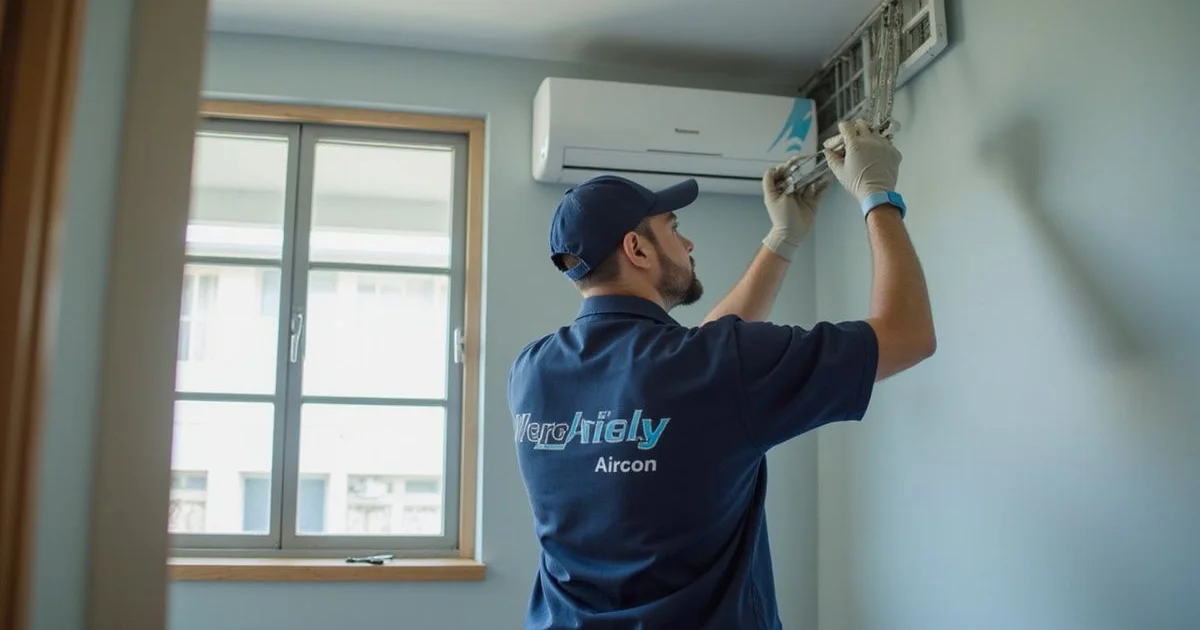
When a technician services your system, they must handle live electrical components. The isolator switch ensures the unit is completely de-energised to prevent fatal electric shocks. Our team always flips this switch off as the mandatory first step before opening any casing.
Emergency Disconnection
If your unit starts behaving abnormally, you need a fast way to kill the power. Sparking wires, burning smells, or sudden electrical faults require immediate action. The isolator switch lets you cut power instantly without running to the main distribution board in the dark.
Thunderstorm Protection
Singapore experiences an average of 176 lightning days every single year. A typical lightning strike carries up to 200,000 amps, which can easily fry a delicate printed circuit board.
Switching off the isolator during heavy rain physically separates your equipment from the grid. This action eliminates the risk of a massive power surge travelling through the specific circuit.
Power Saving
Standby mode still consumes electricity when you turn the unit off with a remote. This phantom power draw adds up over weeks and months.
Our advice is to use the isolator to eliminate this wastage entirely if you are travelling overseas. This simple habit cuts down your utility bill.
Regulatory Compliance
The Energy Market Authority (EMA) and the SS 638 code of practice strictly govern residential wiring. These regulations require a dedicated 20-amp double pole isolator for standard air conditioning installations in HDB flats.
Failing to meet these standards might cause your home to fail inspection. An illegal setup could even void your fire insurance policy.
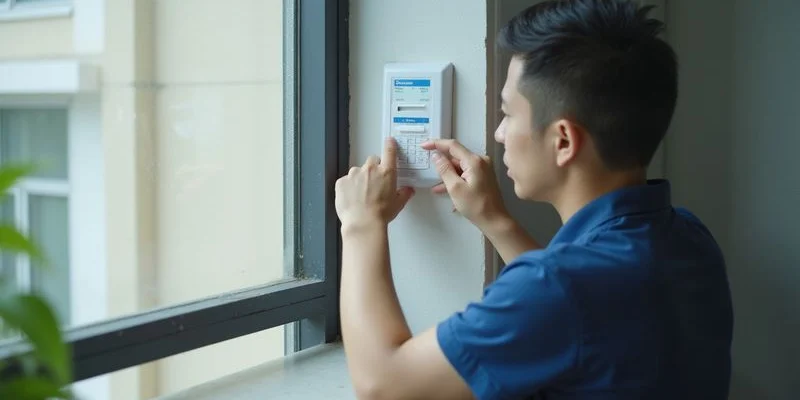
Types of Isolator Switches
Rotary Isolator Switch
A round dial rotates between the ON and OFF positions with a distinct mechanical click. You will commonly see these durable designs on outdoor condensing units and large commercial setups. They provide a clear visual indicator of the power state.
Toggle Isolator Switch
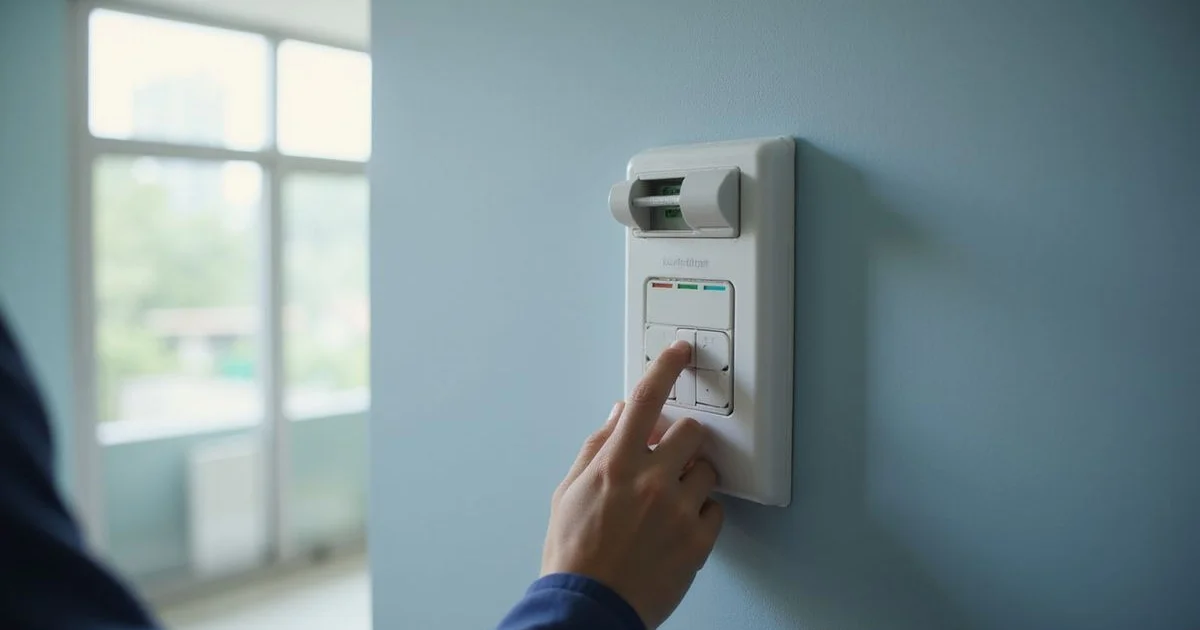
This is the standard flip switch that toggles up for ON and down for OFF. Most HDB flats and condominiums use this style for indoor wall mounting.
Popular brands in Singapore, like MK Electric or Schneider Electric, manufacture these switches to blend seamlessly with your regular lighting controls.
MCB (Miniature Circuit Breaker) as Isolator
Some properties use a dedicated breaker inside the main electrical panel to serve this isolation function. This setup satisfies the basic safety requirement but lacks everyday convenience.
You are forced to walk to the main distribution board instead of using a handy wall switch.
Fused Isolator
These units feature a built-in fuse to provide both manual disconnection and automatic overcurrent protection. Commercial buildings and large landed residential properties frequently utilise these heavy-duty options.
The internal fuse will blow to protect the wiring if the system draws excessive current.
Where Is the Isolator Switch Located?
Indoor Unit Isolator
Regulations require the switch to sit within one metre of the indoor blower. It must be positioned for immediate, unobstructed access.
We always ensure the placement meets these critical criteria:
- Installed at a standard, reachable height
- Kept completely clear of tall furniture or cabinets
- Visually distinct from nearby light switches
- Clearly labelled to prevent accidental shut-offs
Outdoor Unit Isolator
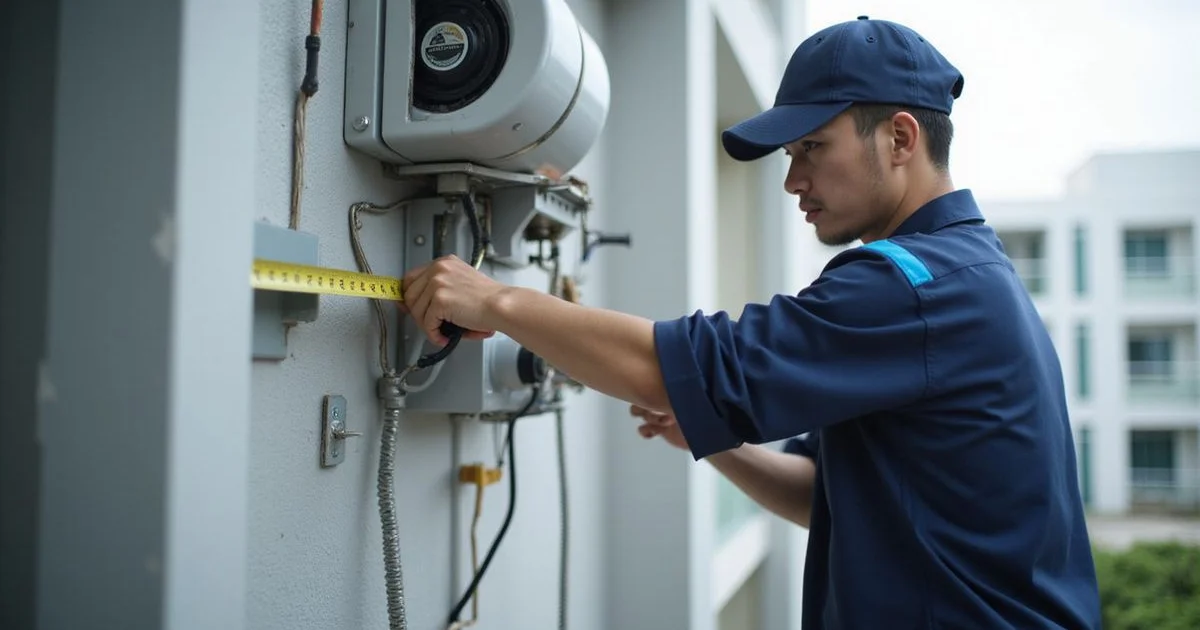
Contractors usually mount the outdoor switch on the wall right next to the metal compressor bracket. For condominium balconies, you will typically find it secured to the adjoining concrete wall.
These outdoor switches must feature an IP66 weatherproof rating, like the Schneider Kavacha series. This heavy-duty rating is required to survive Singapore’s relentless tropical rain and intense UV exposure.
When to Use the Isolator Switch
Always Use It When:
Our experts recommend cutting the main power in several specific situations to protect both your family and your property. Taking this step prevents severe damage.
- A certified technician is performing maintenance
- You detect acrid burning smells or visible sparks
- The aircon light is blinking in an erratic, continuous pattern
- Singapore is experiencing one of its intense inter-monsoon thunderstorms
- You are leaving the country for an extended vacation
- Water is heavily leaking near the internal electronic components
You Do Not Need to Use It When:
Flipping this heavy-duty switch multiple times a day is completely unnecessary.
- Switching the room off for the night
- Leaving the house for just a few hours
- Managing normal temperature adjustments
Common Isolator Switch Problems
Switch Will Not Stay On
A switch that trips immediately upon flipping indicates a severe short circuit in the wiring. This mechanism is actively preventing an electrical fire.
You must leave it in the OFF position and call a licensed professional to diagnose the root cause.
Switch Feels Hot
Any heat radiating from the plastic casing points to a loose connection, corroded contacts, or an undersized component. This is a severe fire hazard that requires urgent attention.
Our electricians frequently replace melted switches that were forced to carry more current than their rated capacity. These components are simply not designed to withstand sustained overloading.
No Isolator Installed
Older properties sometimes lack this critical component entirely. The previous contractor may have cut corners, or the installation might predate current SS 638 regulations.
We can safely retrofit a compliant switch into any existing circuit to bring your home up to code. This upgrade instantly improves your household safety.
Corroded or Damaged Switch
Outdoor casings face constant attacks from humidity and direct sunlight. The plastic housing becomes brittle over three to five years, and the internal copper contacts can oxidise.
Inspecting the exterior for hairline cracks helps prevent rainwater from seeping into the live wiring.
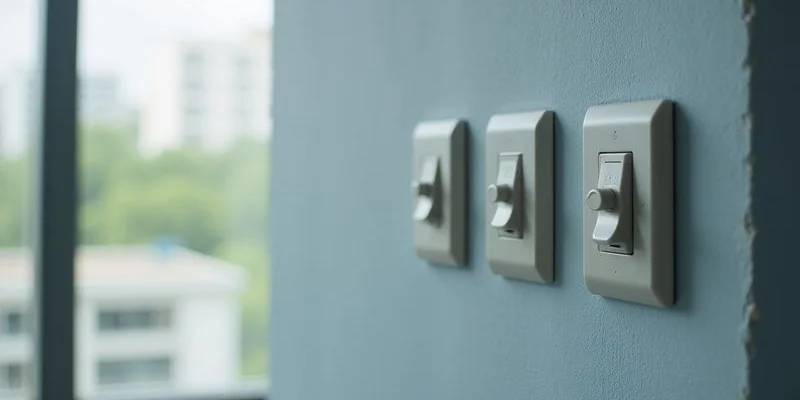
Isolator Switch Installation Requirements
For New Aircon Installations
Our installation teams follow a strict protocol for every new setup to guarantee total compliance. These specific steps ensure absolute safety for your home.
- Correct rating matching: Selecting a switch that exceeds the unit’s maximum current draw.
- Strategic positioning: Placing the control within immediate reach for emergencies.
- Clear identification: Labelling the plate to prevent confusion with lighting circuits.
- Weatherproof protection: Mandating IP66-rated enclosures for all exterior components.
- Proper cable sizing: Using wire gauges approved by the Energy Market Authority.
Retrofitting to Existing Installations
Adding a switch to an older system is a precision job. The standard replacement cost typically hovers around SGD $100, though complex concealed wiring in certain HDB layouts can increase this price.
- Locating the dedicated circuit inside the main distribution board.
- Calculating the exact amperage required for the specific compressor.
- Routing new, compliant cabling to the designated wall location.
- Installing and securing the physical housing.
- Testing the voltage to ensure flawless operation.
Isolator Switch Ratings
The physical switch must possess a higher amp rating than the maximum current the compressor can pull.
| Aircon Capacity | Typical Current | Minimum Switch Rating |
|---|---|---|
| 9,000 BTU (1HP) | 4-5A | 20A |
| 12,000 BTU (1.5HP) | 5-7A | 20A |
| 18,000 BTU (2HP) | 8-10A | 20A |
| 24,000 BTU (2.5HP) | 10-13A | 20A |
| Multi-split (System 3-4) | 15-25A | 32A to 40A |
HDB regulations strictly dictate a 20-amp double pole isolator as the baseline for standard single-unit setups. We always specify a switch rated higher than the peak load. This essential safety margin prevents the plastic housing from melting during intense afternoon cooling sessions.
Safety Tips for Homeowners
5 Essential Safety Checks for Homeowners
Taking a few minutes to inspect your setup can prevent major electrical failures down the road.
- Map your locations. Find the specific switch for every indoor and outdoor unit on your property today.
- Perform mechanical tests. Flip the toggle off and on every six months to prevent the internal springs from seizing.
- Maintain clear access. Avoid stacking storage boxes or pushing wardrobes against the wall plate.
- Reserve for emergencies. These heavy-duty contacts are engineered for occasional isolation, not daily power cycling.
- Assist your technicians. Pointing out the exact switch location immediately speeds up any scheduled maintenance visit.
Get Your Isolator Checked
If you are unsure whether your setup is safe, referring back to this aircon isolator switch: what it is & safety guide is a smart first step. Broken casings and stiff toggles are serious hazards.
This single component protects your entire property.
Our licensed team can inspect your current wiring, replace degraded outdoor housings, and guarantee your system meets every SS 638 requirement. WhatsApp Billy Aircon at +65 9456 0875 to book a quick safety audit. We back all our electrical and cooling work with a solid 90-day warranty.