You know how frustrating a leaking unit can be right in the middle of a hot Singapore afternoon. From what I have seen, understanding why your aircon has condensation & how to stop it is the key to extending its lifespan. We tackle this issue daily at Billy Aircon.
The 26 technicians on our team handle everything from minor drips to major overflows in HDB flats and condos across the island. The science behind this is simple, as moisture naturally condenses when warm air hits a cold evaporator coil.
Let us look at the data, what it actually tells us, and explore practical ways to respond.
Normal vs Abnormal Condensation
A perfectly functioning system produces about 1 to 2 litres of water per hour. This volume of liquid needs a clear exit path. Under normal conditions, this condensed water drips directly into the drainage tray.
It then flows smoothly out through a standard 16mm PVC drain pipe. You should not see or worry about this liquid, as the system handles it automatically.
Problems start when moisture appears in the wrong places. You might notice drops on the unit casing, the louvres, or the surrounding walls. This abnormal moisture indicates a mechanical or maintenance failure.
Normal Condensation
- Water flowing freely through the PVC drain pipe to the bathroom or external outlet
- A brief puff of mist from the louvres when starting up in an 80 percent humidity room
- Slight dampness on the return air grille during heavy monsoon rains
Abnormal Condensation
- Water dripping visibly from the front plastic casing
- Moisture tracks running straight down the wall behind the indoor unit
- Puddles forming on the floor beneath your system
- Continuous dripping from the louvres while the compressor runs
- Heavy condensation on the exposed copper pipes
If you spot any of these warning signs, your system needs immediate attention.
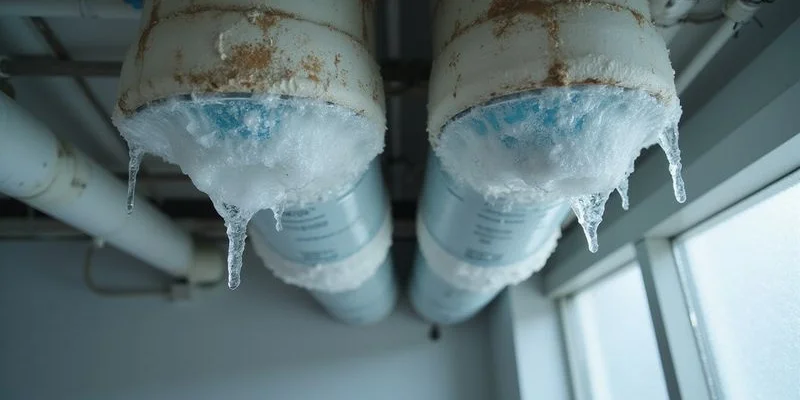
Why Your Aircon Has Condensation & How to Stop It: The Root Causes
Finding the exact source of a leak saves you time and money. Our team regularly encounters seven main culprits behind these frustrating drips.
1. Blocked Drain Pipe
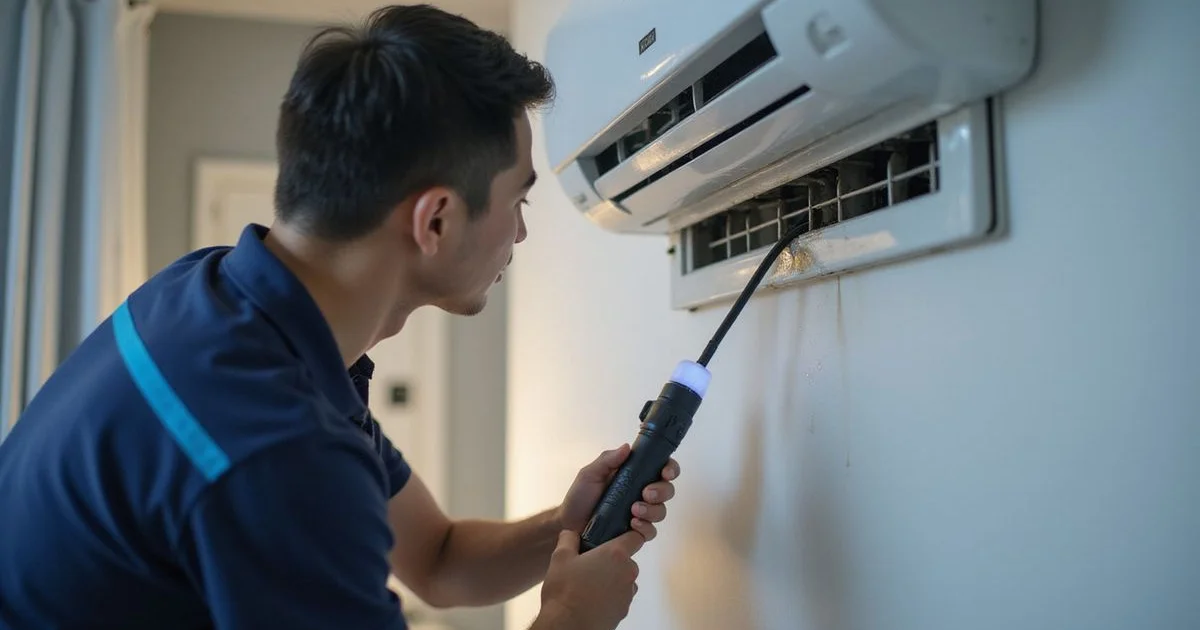
The most common cause is a clogged 16mm drainage line. Algae and cyanobacteria thrive in the dark, damp environment inside the pipe. This biological growth creates a thick jelly-like biofilm.
This slime eventually:
- Restricts regular water flow completely
- Backs up water into the drainage tray
- Causes rapid overflow straight down your wall
Singapore’s average relative humidity sits around 84 percent, which accelerates this process rapidly. Regular aircon servicing includes a high-pressure flush to clear these biological blockages.
2. Dirty Air Filters
Clogged filters reduce system airflow by up to 15 percent. Without enough warm room air passing over the fins, the evaporator coil temperature drops well below the dew point.
This extreme cold causes solid ice to form on the metal fins. When the compressor cycles off, this solid ice melts much faster than the drainage tray can manage, resulting in a sudden cascade of water.
3. Low Refrigerant Gas
Modern systems rely on specific pressures to function correctly, typically using R32 refrigerant. When gas is low, the internal pressure drops and causes the coil to freeze over.
This freezing and thawing cycle creates excessive liquid. If your system drips water while barely cooling the room, a refrigerant leak is highly probable. A professional gas top up restores the correct pressure and stops the ice-related condensation.
4. Poor Insulation on Pipes
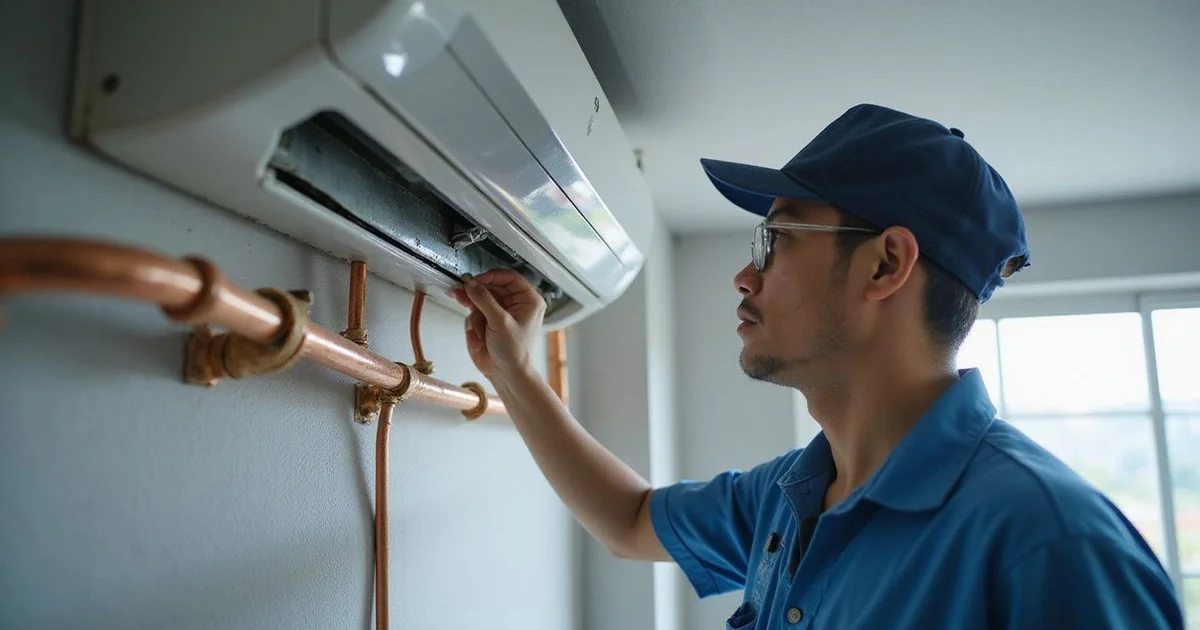
Copper pipes connecting the indoor and outdoor units carry freezing cold refrigerant. These lines are wrapped in closed-cell foam insulation like Armaflex to block ambient heat.
Condensation forms instantly if this foam fails. Common insulation failures include:
- Degradation from age or poor installation
- Torn segments exposing the bare metal
- Using thin 3/8-inch foam instead of the thicker 1/2-inch option
Even a tiny 2mm gap in the foam wrap will produce a steady, damaging drip in Singapore’s climate.
5. Incorrect Unit Tilt
Installers must mount the indoor fancoil with a deliberate 1- to 2-degree tilt facing the drain outlet. This subtle angle directs water straight into the drainage pipe.
If the bracket sits perfectly level, water pools on the opposite side of the tray. This stagnant water eventually spills over the plastic lip and ruins your paintwork.
6. Oversized Unit
Bigger does not always mean better. Installing a massive 12,000 BTU compressor in a tiny 10-square-metre bedroom causes short-cycling.
This overpowered setup:
- Blasts cold air rapidly
- Hits target temperatures in under 10 minutes
- Shuts off the compressor prematurely
These rapid cycles fail to dehumidify the room properly. The lingering ambient moisture then condenses unevenly across the cold plastic parts.
7. High Humidity Conditions
Monsoon seasons push indoor humidity to extreme levels. Even a pristine, well-maintained machine will generate double the normal condensation during heavy storms.
If your drain pipe already has a partial 50 percent blockage, this sudden influx of monsoon moisture guarantees an overflow.
Proven Methods to Fix Aircon Condensation Issues
Taking quick action prevents costly damage to your flooring and ceiling.
Fix 1: Clean or Replace Air Filters
Remove the mesh filters from the front panel. Rinse them gently under lukewarm running water using a soft brush to dislodge trapped dust.
Let the plastic mesh air dry completely before slotting it back in. Clean filters restore the required airflow volume and stop the coil from freezing solid.
Fix 2: Clear the Drain Pipe
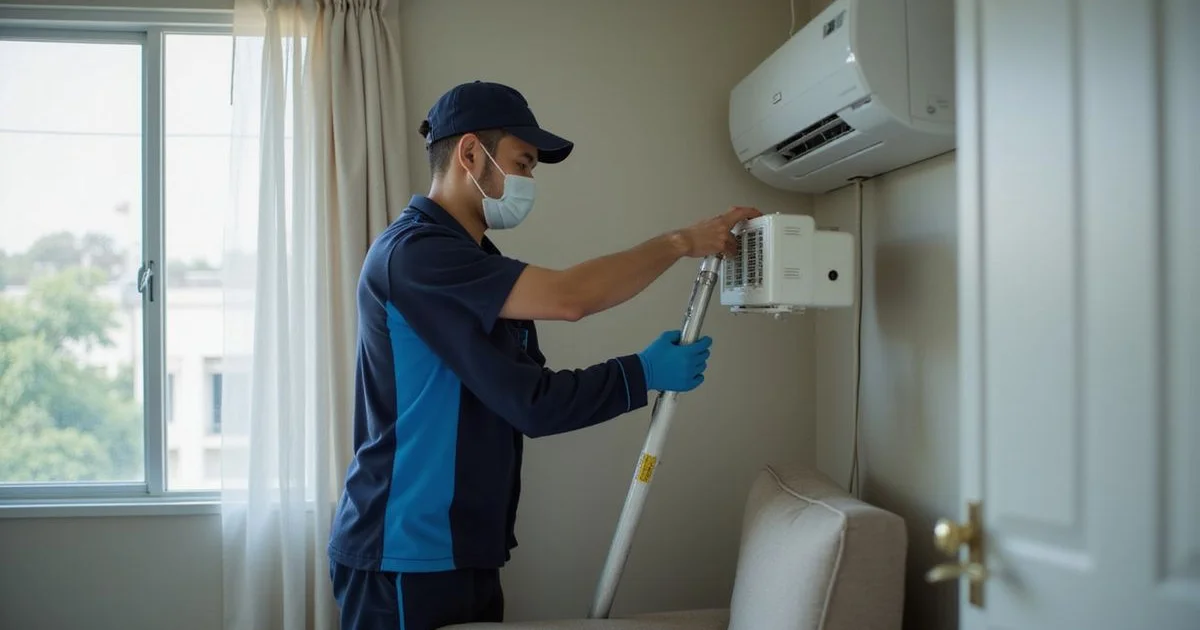
You can tackle a basic blockage yourself with the right tools. A standard wet/dry shop vacuum pulling at least 200 air watts works best.
- Locate the primary drain outlet in your bathroom or external ledge
- Attach the wet vacuum nozzle to suck out the slimy biofilm
- Pour 250ml of white vinegar down the tray to dissolve remaining algae
Stubborn clogs require professional tools. Billy Aircon uses industrial pressurised water jets to blast away hardened grime safely.
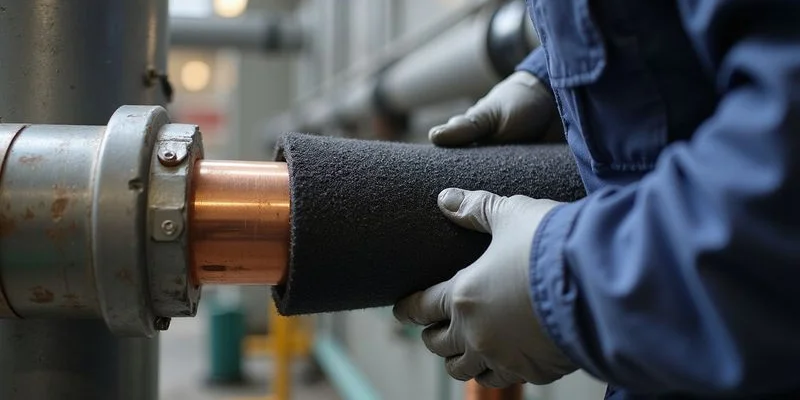
Fix 3: Check Pipe Insulation
Examine the black foam wrapping around your exposed copper lines. You are looking for specific points of failure.
- Gaps at the 90-degree bends or joints
- Sections where the foam feels brittle or crumbles
- Water droplets actively forming on bare copper
- Torn segments exposing the metal underneath
Damaged sections need immediate replacement with high-quality Class 0 insulation tape. For a permanent solution, check out our complete insulation guide.
Fix 4: Verify the Unit Tilt
Place a standard 9-inch torpedo level flat across the top of the indoor plastic casing. The bubble should rest slightly leaning to the right side where the drain connects.
A perfectly centred bubble means the bracket needs realigning. Lifting the fancoil to adjust the metal backing plate is strictly a job for trained technicians.
Fix 5: Service the Unit
Basic troubleshooting will not fix deep-seated mechanical problems. A comprehensive aircon service or a full chemical wash breaks down years of hidden buildup.
Our technicians follow a strict protocol to stop leaks. Industrial alkaline-based coil cleaners from trusted brands are used to dissolve stubborn biofilm safely. We also pressure-test the entire drainage network.
Every gas valve gets checked to ensure optimal R32 levels.
Preventing Future Condensation Problems
Consistent care is cheaper than repairing water-damaged parquet flooring.
Regular Maintenance Schedule
HDB regulations require homeowners to resolve dripping issues quickly. Preventative servicing keeps you compliant and comfortable.
| Action | Ideal Frequency | Why It Matters |
|---|---|---|
| Wash mesh air filters | Every 2 weeks | Maintains 100% airflow capacity |
| Professional servicing | Every 3 months | Clears minor tray blockages |
| Chemical wash | Every 6-12 months | Removes deep coil biofilm |
| Drain line clearing | Every 6 months | Prevents algae overflow |
| Insulation inspection | Annually | Stops pipe condensation |
Keep Doors and Windows Closed
Opening a window lets in heavy, humid air with a dew point of around 24 degrees Celsius. This hot air crashes into your 16-degree evaporator coil.
This thermal clash instantly floods the drainage tray. Keeping all entry points sealed reduces the moisture load on your system significantly.
Use Dry Mode During Rainy Periods
The standard cool setting focuses entirely on dropping the room temperature. Switch to dry mode during December monsoons.
This function drops the fan speed by roughly 50 percent. A slower fan allows the coil to extract maximum moisture from the air without freezing your bedroom.
When to Call a Professional
Some leaks signal severe underlying damage. You need expert intervention if you notice any of these red flags.
- Water actively splashing onto your television or furniture
- Solid, white ice blocks caking the aluminium fins
- Puddles returning just days after you cleared the drain yourself
- Peeling paint or yellow stains on the wall below the unit
- Black mould clusters forming around the air louvres
Unresolved leaks in HDB flats often seep through the concrete floor. Repairing a neighbour’s ruined ceiling costs thousands of dollars.
Get Your Condensation Fixed
Stop sacrificing your bath towels to mop up puddles. Finding out exactly why your aircon has condensation & how to stop it is just a message away.
WhatsApp Billy Aircon at +65 9456 0875 for a fast, accurate diagnosis.
Our experienced crew tackles the root cause of the leak directly. Every repair includes our standard 90-day warranty to keep your home perfectly dry, so reach out today to schedule your next service slot.