Searching for “AC Light Blinking: What It Means & How to Fix It” starts with understanding your unit’s built-in alerts. Most modern systems use these flashing LEDs as a precise diagnostic tool instead of just shutting down.
We founded Billy Aircon in 2003 starting with a team of five, and our current crew of 26 remains dedicated to keeping Singapore cool.
Daily service calls across the island prove that these patterns correspond to specific, solvable faults. Decoding these sequences can save you significant time and money on unnecessary repairs.
We will break down the most common reasons behind these alerts and outline the exact steps you should take next.
Common Reasons Behind AC Light Blinking: What It Means & How to Fix It
1. Dirty or Clogged Air Filter
The most frequent cause of a warning light is a restricted air filter. Thick dust prevents the system from drawing in enough ambient air. We often see units trigger a sensor alert when airflow drops below optimal levels. Singapore’s high humidity combined with urban density means filters trap particulate matter rapidly.
Units located in HDB flats near major expressways often need cleaning every two weeks. Switch off the power at the main isolator switch before removing the front panel. We strongly advise letting the mesh screens dry completely after washing them. You must slot them back in securely to prevent internal rattling. If the alert stops after a restart, you have resolved the issue.

2. Refrigerant Gas Leak or Low Gas
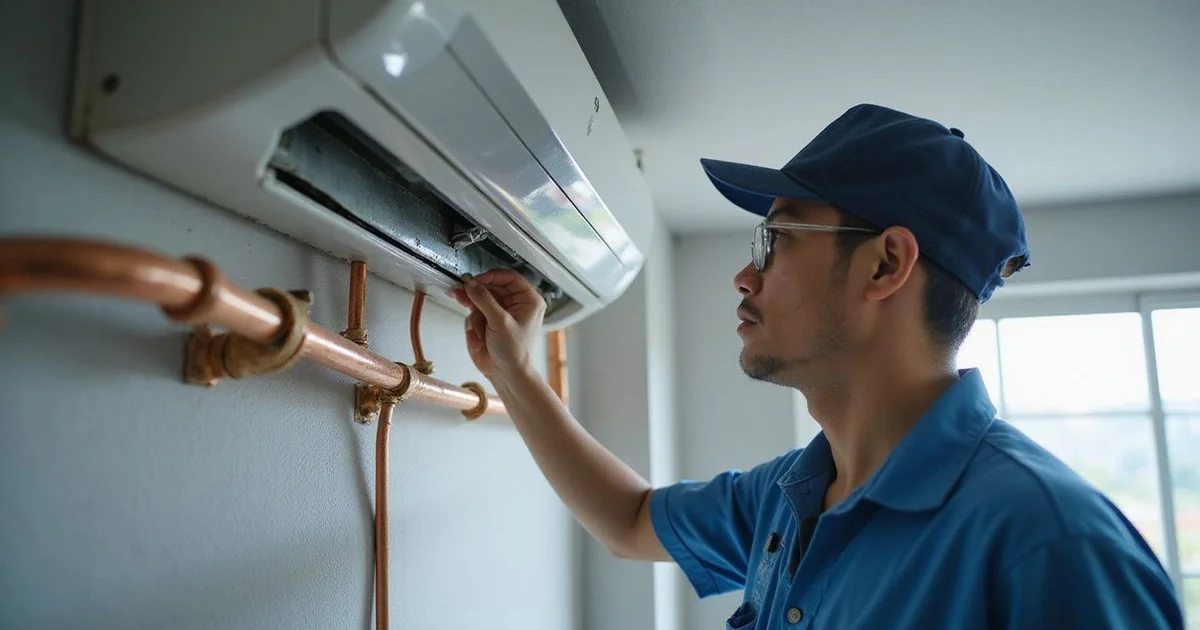
A drop in refrigerant levels prevents your compressor from maintaining the required operational pressure. Most units detect this imbalance and flash an error code to prevent hardware damage. We frequently encounter this issue in older systems with degraded copper pipe joints.
Warm air blowing from the vents or ice forming along the evaporator coils are clear secondary indicators. Handling refrigerants requires specialised gauge manifolds and strict adherence to Singapore safety standards. Our technicians provide a comprehensive solution when you Contact Billy Aircon for a gas top-up service backed by a strong guarantee.
3. Faulty Thermistor or Temperature Sensor
The internal thermistor constantly monitors both the room climate and the cooling coil temperature. Incorrect resistance readings force the main board to trigger a diagnostic alert. We replace dozens of these small probe sensors every month across various residential estates.
Continuous exposure to extreme temperature shifts causes these components to degrade over time. Systems running for more than five years are particularly susceptible to sensor drift.
Our service logs show what typically happens when a sensor fails:
- The compressor runs non-stop and freezes the indoor coil.
- The system shuts off before reaching your target temperature.
- The indoor fan operates erratically regardless of remote settings.
4. PCB Board Malfunction
The printed circuit board acts as the central command centre for your entire cooling setup. Unexpected power surges can easily fry the sensitive microchips on this board. We see a massive spike in PCB failures during Singapore’s inter-monsoon months of April and November.
Lightning strikes near residential blocks often send damaging voltage spikes through the electrical grid. A damaged board usually sends the unit into a hard lockout with erratic flashing indicators. Our specialists repair this using a multimeter and schematics specific to your exact model number.
5. Drainage Problems
Water backing up inside the internal drip tray is a common trigger for automatic shutdowns. Many premium models feature a micro float switch that activates a warning sequence before overflowing occurs. We handle countless drainage blockages caused by a build-up of biological slime.
This jelly-like substance thrives inside dark and cold condensation pipes. Many older HDB installations suffer from poor pipe gradients that trap stagnant water. Our maintenance routine includes regular flushing to keep these narrow tubes clear.
Decoding Blinking Patterns by Brand
Daikin
Daikin wall units typically utilize a specific combination of green and orange LEDs. A rapidly pulsing green indicator frequently points toward an internal sensor failure. We often use the remote control to extract the exact two-digit alphanumeric fault code.
Alternating green and orange flashes usually signify a total communication breakdown between the indoor blower and the outdoor condenser. Pressing the “Cancel” button on the remote for five seconds reveals the specific error, such as the common ‘U4’ code for transmission issues.
Mitsubishi
Mitsubishi Starmex units rely on the timer LED to communicate specific hardware faults. Counting the exact number of pulses in a single sequence gives you the primary diagnostic clue. Our diagnostic manuals show that two consecutive flashes indicate an indoor thermistor short circuit.
Five flashes point directly to an outdoor power supply or communication failure. Six flashes warn you of an abnormal temperature rise inside the outdoor inverter module.
Panasonic
Panasonic systems project error codes through their distinct timer and power indicators. A single recurring pulse on the timer light usually highlights a room ambient sensor defect. We use a specialised pin to press the “Check” button on the remote to retrieve the exact numerical codes.
Continuous rapid flashing across both LEDs indicates a serious compressor overload or locked rotor state. A common code like ‘H11’ confirms the indoor and outdoor units have stopped talking to each other.
What to Do When Your Aircon Light Blinks
Step 1: Document the Alert Sequence
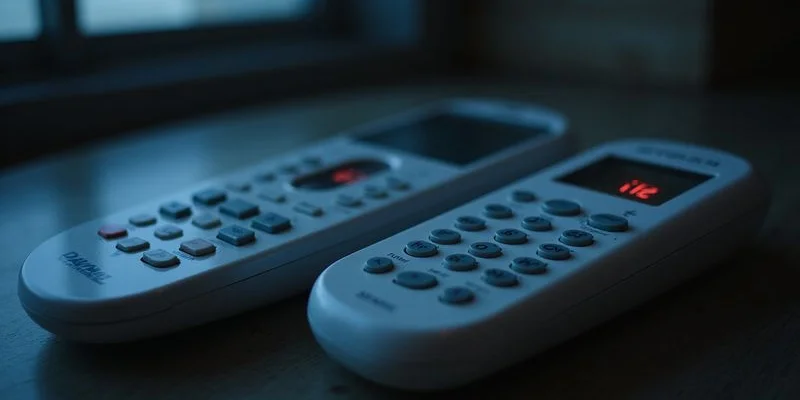
Counting the exact number of flashes and noting the specific colours is your vital first step. Recording a short ten-second video on your smartphone captures the sequence perfectly. We rely heavily on this initial visual evidence to prepare the correct spare parts before leaving the workshop. Clear documentation helps prevent misdiagnosis and speeds up the entire repair process.
Step 2: Perform a Hard Power Reset
Turning off the unit using just the remote control leaves the internal circuit board energized. You must flip the main heavy-duty isolator switch located on your wall to cut power completely. We recommend waiting exactly three minutes to let the internal capacitors discharge fully. Flipping the switch back on often clears out temporary software glitches caused by minor grid fluctuations.
Step 3: Inspect the Accessible Components
A quick visual inspection can sometimes reveal obvious external factors causing the alert. Checking a few basic hardware elements requires no special tools. Our technicians suggest reviewing these specific areas before requesting a service visit:
- Wash the reusable mesh filters thoroughly.
- Check the outdoor condenser for blocked grilles or debris.
- Look for sharp bends or kinks in the exposed water drain hose.
- Swap out the remote control batteries to rule out signal errors.
Step 4: Request Professional Diagnostics
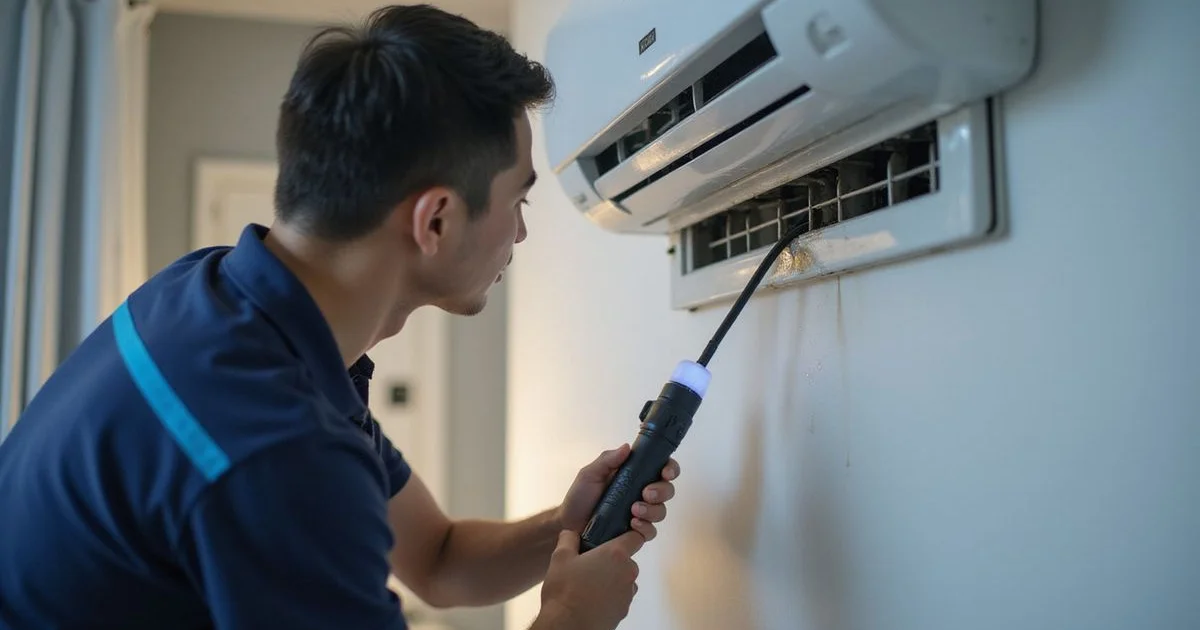
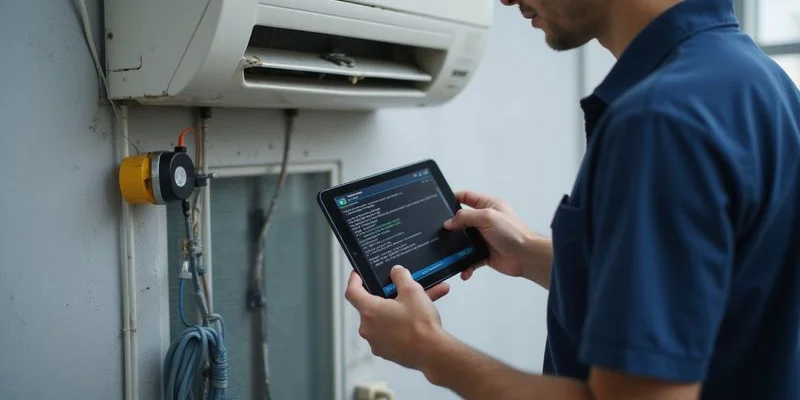
Continuing to run a compromised system forces the compressor to work under extreme stress. Ignoring these alerts frequently turns a minor sensor replacement into a major hardware failure. We utilize digital manifolds and proprietary software tools to pinpoint the exact root cause safely. Prompt professional intervention keeps your electricity consumption stable and protects your primary investment.
When to Worry About Blinking Lights
Certain flash sequences are perfectly normal operational indicators rather than critical alerts. Distinguishing between a standby mode and an active hardware fault is crucial for peace of mind. We have categorized the most common visual signals to help you assess the urgency. Reviewing this quick reference guide helps determine your next best action.
| Light Behaviour | System Status | Recommended Action |
|---|---|---|
| Slow, steady pulse | Normal standby mode or defrost cycle | No action required |
| Rapid, continuous flash | Active component error detected | Schedule a diagnostic check |
| Alternating dual colours | Data transmission failure | Request professional repair |
| All indicators glowing solid | Catastrophic main board failure | Shut down power immediately |
How Billy Aircon Can Help
Securing a fast and accurate repair restores your indoor comfort without unnecessary stress. Connecting specialized diagnostic meters directly to the main PCB reveals hidden electrical faults instantly. We carry a comprehensive inventory of genuine replacement parts for all major brands operating in Singapore. Fast access to original components means most repairs are completed during the very first visit.
We provide a comprehensive 90-day warranty with every single repair job for complete customer assurance. Troubleshooting premium brands like Daikin, Mitsubishi, Panasonic, and Midea happens daily.
Prevent Blinking Light Issues
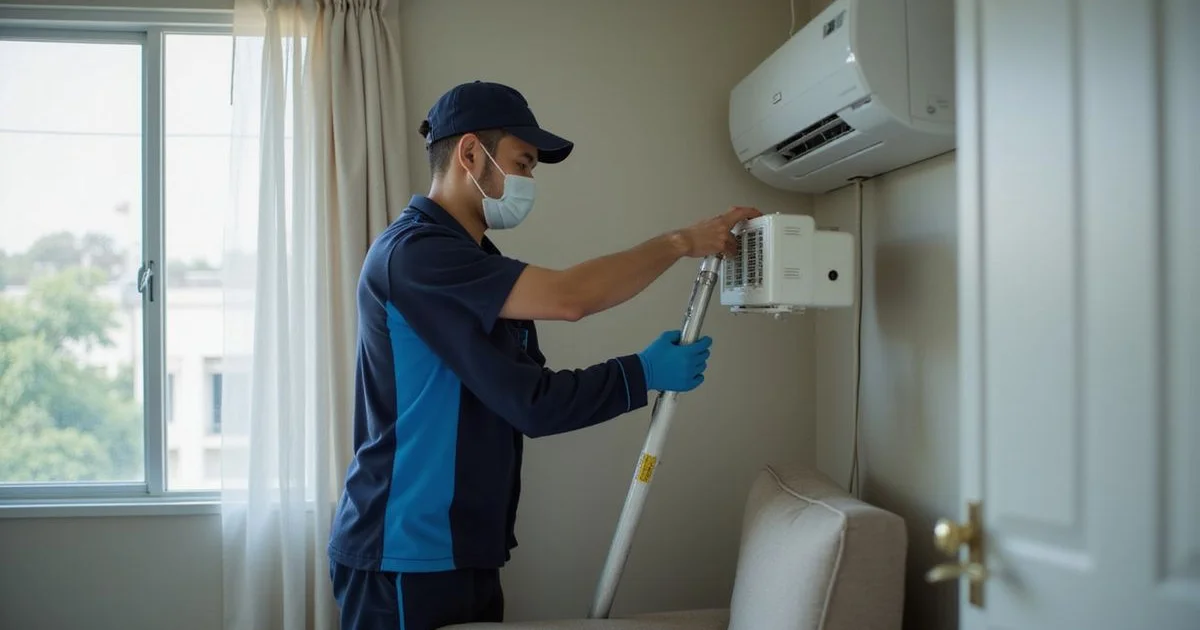
Committing to a strict maintenance schedule stops most hardware faults from ever developing. Professional cleaning removes the microscopic debris that chokes sensitive temperature and pressure gauges. We thoroughly flush the drainage pipes and test all electrical connections during every standard visit. Catching a minor refrigerant drop early prevents the compressor from overheating later.
Booking an aircon servicing appointment every three months is ideal for Singapore’s demanding climate. Our quarterly schedules ensure your cooling system handles the intense midday heat efficiently.
Get Your Aircon Fixed Today
Staring at a flashing red or green LED does not have to ruin your afternoon. Sending a quick message to our dispatch team sets a fast resolution in motion. We invite you to WhatsApp Billy Aircon at +65 9456 0875 for immediate technical assistance.
Knowing about AC Light Blinking: What It Means & How to Fix It protects your cooling investment. Mobile service units cover every residential district in Singapore. Fixing your cooling system promptly restores your comfort today.